ENGAGE' 26 FALL EXPO + ABM, KNOWLEDGE, STRATEGY, & ACTION for WA Rental Housing Providers
The rental housing industry in Washington continues to evolve at an unprecedented pace. New regulations, changing market conditions, increasing operational challenges, and a rapidly shifting political landscape require rental housing providers to stay informed, engaged, and prepared. That's why the Rental Housing Association of Washington is bringing together owners, managers, industry professionals, and housing advocates from across the state for ENGAGE26—a conference designed to help rental housing providers navigate today's challenges while preparing for tomorrow's opportunities.
ENGAGE26 will feature four dynamic general sessions and a wide range of breakout sessions organized into three focused educational tracks, giving attendees the flexibility to customize their learning experience based on their business needs and professional interests.
Over the coming months, we'll be providing a closer look at the educational content planned for each track. In this issue of CURRENT, we're highlighting the courses included in Track A: Rental Operations, where attendees will gain practical knowledge for navigating Washington's increasingly complex regulatory environment.
The conference's four general sessions will bring all attendees together to explore the most important issues affecting rental housing in Washington. Industry leaders, legal experts, policymakers, and experienced housing professionals will provide insights into emerging trends, legislative developments, economic forces, and the future of rental housing. These sessions are designed to deliver high-level perspectives that help attendees understand the broader environment in which they operate.
18 TEAM BREAKOUTS IN 3 TRACK'S
Track A: Rental Operations
Washington's regulatory environment continues to become more complex. The Rental Operations track focuses on the practical realities of operating rental housing while complying with an expanding network of state and local requirements.
Attendees will learn about regulatory compliance, lease administration, rent increase requirements, enforcement actions, fair housing obligations, maintenance responsibilities, risk management, and other operational issues that directly impact day-to-day property management. Sessions will provide practical guidance that owners and managers can immediately apply to their rental businesses.
Whether you own a single rental property or oversee a large portfolio, this track will help you better understand your responsibilities and reduce exposure to costly mistakes.

Track B: Business Strategies
Successful rental housing ownership requires more than compliance—it requires strong business decision-making. The Business Survival Strategies track focuses on helping housing providers strengthen their financial position, improve operational efficiency, and build long-term sustainability.
Sessions may address topics such as market trends, financial planning, insurance considerations, asset protection, property improvements, vendor management, succession planning, technology solutions, and strategies for maintaining profitability in a challenging environment.
Attendees will gain practical tools and proven approaches that can help them adapt, compete, and thrive regardless of market conditions.
Track C: Political Action
The future of rental housing policy is being shaped every day in city halls, county councils, Olympia, and communities across Washington. The Political Action track is designed for rental housing providers who want to better understand the political process and become effective advocates for housing.
Sessions will explore legislative developments, local government initiatives, grassroots advocacy, coalition building, public messaging, and strategies for engaging elected officials and community stakeholders. Attendees will learn how individual housing providers can have a meaningful impact on policies that affect their businesses and the availability of rental housing throughout the state.
This track will empower attendees to move beyond simply reacting to new regulations and become active participants in shaping the future of housing policy.
Learn. Connect. Engage.
ENGAGE26 is more than a conference—it's an opportunity to connect with fellow housing providers, industry experts, and advocacy leaders who understand the challenges and opportunities facing Washington's rental housing community. Whether your goal is to improve operations, strengthen your business, stay ahead of regulatory changes, or become a stronger advocate for rental housing, ENGAGE26 offers the knowledge, connections, and resources you need to succeed.
Join RHAWA and hundreds of rental housing professionals from across the state for two days of education, networking, and engagement. The future of rental housing is being written today. Make sure you're part of the conversation. The section below provides a preview of the Track A courses and the expert instructors who will be leading these timely and informative sessions.

Serving Notices with Confidence
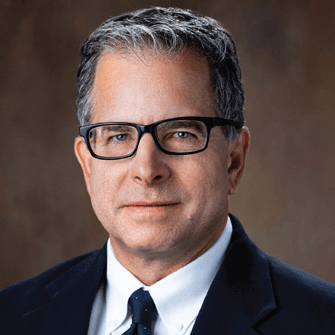 Speaker: Eric Steven, Principal, Steven Law Office
Consistently enforcing the terms of your rental agreement is your legal right and responsibility. Neglecting to do so exposes you to serious risks, including property damage, lost rent, and fair housing complaints. Under new laws, it is critical to adhere to specific procedures for posting notices involving the end of tenancy under RCW 59.12.040. We will take you through RHAWA's Tenant Notices forms, explaining when and how to serve each type of notice.
There Will Be Animals: Be Prepared
 Speaker: James Jenkins, Associate Legal Counsel, Pet-Screening.com
Since 70% of U.S. households keep pets, it makes sense to welcome them but have systems in place to reduce the risk of liabilities such as injuries and damage to your property. Learn how to set effective pet policies, including screening, and how to handle accommodation requests for assistance animals.
Wakeup Call for Passive Rental Owners
 Speaker: Synthia Melton, Partner, Dimension Law Group
In this session, we'll explore the legal, financial, and operational risks facing rental property owners in Washington. You'll learn how state and local regulations are enforced, how fair housing complaints are investigated, the impact of free legal representation for tenants in eviction proceedings, and where liability and insurance gaps can expose owners to costly claims. Real examples will illustrate why awareness matters. Gain the knowledge to be a proactive, informed housing provider.
Who's on the Hook for Damages?
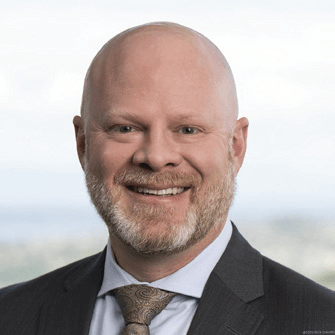 Speaker: Maxwell Glasson, Principal, Glasson Legal
The most common dispute with tenants is who pays for damages—and no wonder, given how subjective the law is. "Ordinary use" means something different to a neat freak than to someone more laid back. Beyond that vague standard, there are specific rules to navigate: deposit accounting deadlines, protected group forgiveness, multifamily vs. single-family differences, cleaning fees, turnover costs, and how to handle unrelated roommates
To Lease or Not to Lease in a "Just Cause" World
 Speaker: Cory Brewer, VP Rental Operations, Lori Gill & Associates
Gain a better understanding of Washington's "good cause termination" laws and the benefits and difficulties of keeping a tenancy in the required fixed terms. Learn best practices for maintaining these types of tenancies under the complex overlapping regulations for lease renewals and rent increases under state laws and several different laws enforced by various municipalities across the state.
Navigating Rent Increase Laws in Washington
 Speaker: Christopher Cutting, Principal, Cutting Law Office
Rent increases and lease changes were once simple in Washington, but recent laws have created complex new requirements. You'll learn how rent increases work in month-to-month and fixed-term leases, what notices must include, how notice periods vary by increase amount and location, and when increases may be restricted. Stay current and avoid costly compliance mistakes.