
Luxury Rental Market Sees Dramatic Spike as High-End Demand Surges

The Greater Seattle region’s luxury rental market - defined (by me) as homes leasing for $10,000 per month or more - has experienced an increase in leasing activity over the past couple of years. Between the beginning of 2020 and the end of 2025, exactly 201 such residential leases have transacted on the Northwest MLS database, with all but one of them taking place in King County (the one outlier being in Snohomish County). Recent NWMLS data shows that 2024 and 2025 delivered a surge in high end leasing activity.
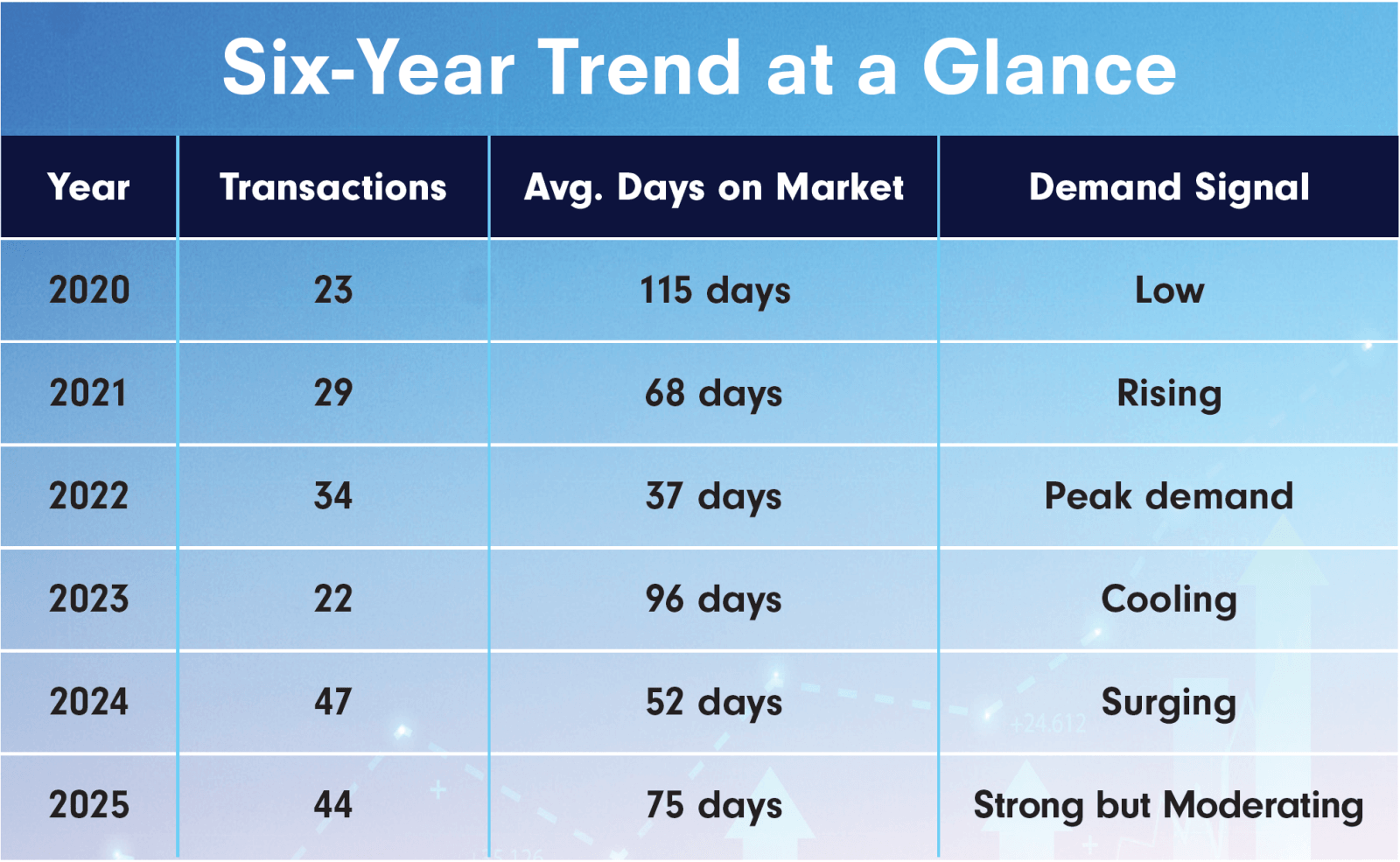
The trend is particularly notable given the volatility (so far) this decade. In 2020 as the effects of the COVID-19 pandemic were taking hold, the luxury segment recorded just 23 such transactions, with properties lingering on the market for an average of 115 days. But by 2021, the landscape had changed dramatically. Transactions climbed slightly to 29, and the average days on market dropped sharply to just 68; a clear indicator that demand was strengthening. The momentum continued into 2022, which saw 34 luxury leases and an exceptionally brisk average of just 37 days on market.
The market cooled again in 2023, with transactions falling to 22 and days on market rising to 96. However, any notion of a long-term decline was quickly dispelled by the explosive rebound in 2024. The year produced 47 luxury rental transactions - more than double the activity of 2023 - and properties leased in an average of 52 days. This combination of high volume and relatively quick absorption signaled a renewed appetite for premium homes.
The momentum carried into 2025, which recorded 44 transactions and an average of 75 days on market. While slower than the prior year, the activity level remained far above historical norms, reinforcing the idea that the luxury rental market has entered a new phase of sustained demand.
What’s behind the recent shift in market activity? High-income households increasingly choosing to rent rather than buy, valuing mobility and liquidity over long-term ownership commitments? Limited inventory in the luxury for-sale market pushing some would-be buyers into the rental pool? Overall price appreciation pushing more homes above the $10,000 threshold? Financial strategies are also in play, whether it be holding on to real estate at very low interest rates or owners vacating primary residences to set up timing for 1031 exchanges and avoid capital gains taxes.
There could be many reasons, but one thing I can say for sure is that the people involved on both sides of these transactions highly value excellent customer service.
Looking at the big picture over the first six years of this decade, my firm has represented the property in over a quarter (52) of these 201 leases. On average our luxury listings rented after 35 days on market. By contrast, other firms’ luxury listings rented collectively after 85 days on market. Attention to detail and high-level, high-touch personal service are the key differentiators, from what I can see. High-end properties require high-end photography, dedicated marketing efforts, and relationship building.
As 2026 begins, the luxury rental sector appears poised for continued strength. With transaction levels in 2024 and 2025 far outpacing earlier years, the market has delivered a clear signal that demand for high end living remains robust. By press deadline time (April 1st), I was able to look at 2026 first quarter activity, and while transaction volume has not hit the typical spring/summer rush, luxury homes that have been listed since January 1st are moving quickly. Out of 11 total new listings, six have rented in an average of 17 days, and the ones remaining active average 22 days on market.
One wrench that could be thrown into this market is the newly passed “Millionaire’s Tax” in Washington state (Senate Bill 6346) which, though it is anticipated to face legal challenges, is set to take effect in 2028 with first payments due in 2029. Whether this spurs the selling-off of assets such as luxury real estate over the next couple of years, thus draining the high-end rental pool of inventory, remains to be seen. Will high net-worth individuals still choose to live in the Seattle area as renters rather than as homeowners? One thing is generally true in that when inventory becomes scarce, given consistent demand, absorption rates and pricing will increase.
Cory Brewer is the VP of Residential Operations at Lori Gill & Associates Property Management. His firm oversees management of over 2,000 residential rental homes throughout the Greater Seattle Area. He may be contacted via wpme@windermere.com. Visit their website wpmnorthwest.com.