
Tacoma Having Buyer’s Remorse?
I wrote last month about some possible changes that would be forthcoming in the City of Tacoma. Well, now post-election and with a better picture of what the council and mayor’s office will look like for the next couple of years, we can dive a little deeper.
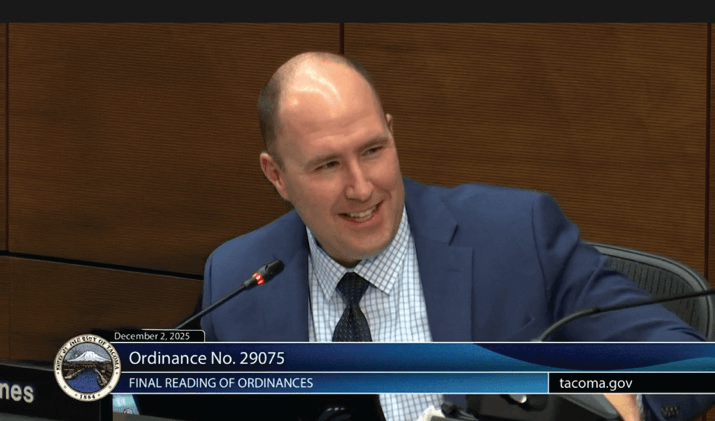
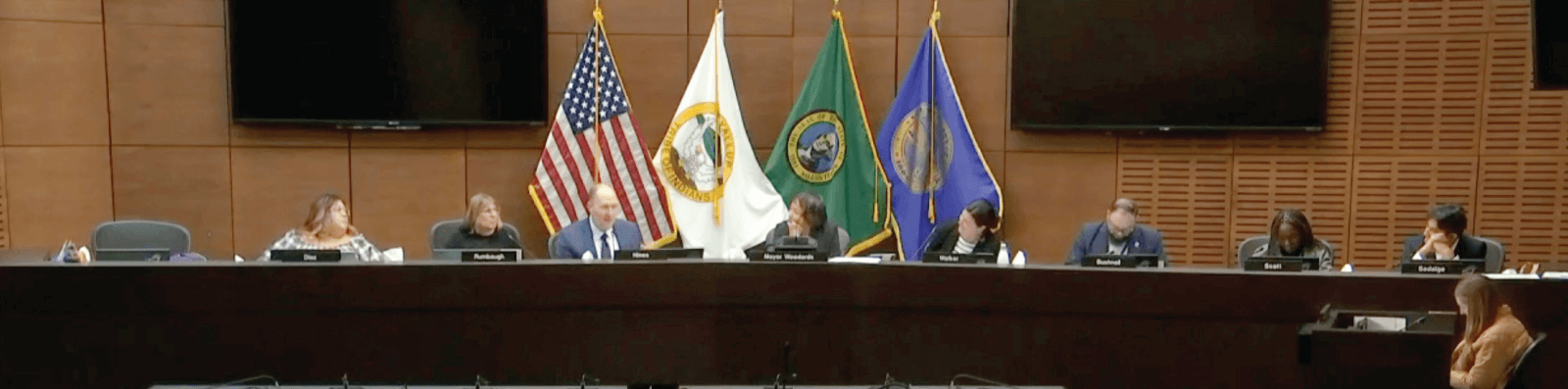
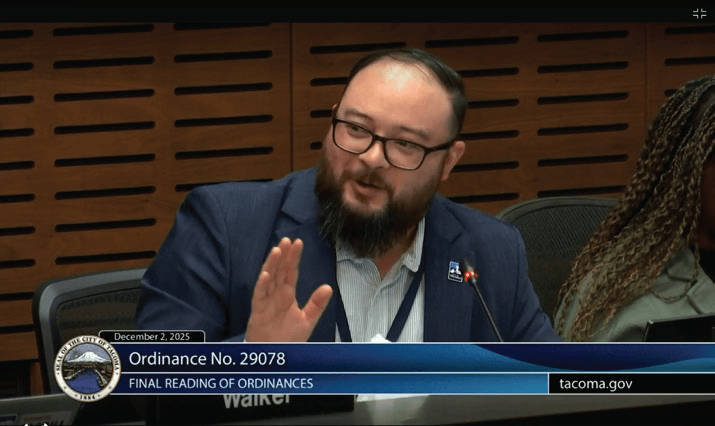
With Ander Ibsen being elected to the mayor’s office, John Hines will still retain his seat on council for another two years. With key re-elections of Sarah Rumbaugh, Joe Bushnell, and Sandesh Sadalge—in addition to Kristina Walker remaining on council—the votes needed to alter the most onerous rental housing laws in the state may be in place.
For those who haven’t been following, the Tacoma City Council is considering some substantive changes to the rental housing policies put into place by the Measure 1 ballot initiative in November of 2023. Per law, the city council is not permitted to make any changes to a ballot measure within two years of passage, and we have now reached that point. I covered some of the proposed changes last month, but for those who may have missed that information, here it is again:
- Raise late fee cap from $10 to $75 or possibly 1.5%
- Change dates on the wintertime eviction ban from November–April to December–March to align with Seattle moratorium dates
- Specifies exceptions to the eviction ban, especially with relation to drug charges and destruction of property
- Deferring to the state law on rental increase notice timeline and requirements (90 days)
- Possible complete exemption for housing providers who have an interest in less than 4 properties
Now, the city council held a work group session on Tuesday, November 18, where some possible revisions to these proposals were discussed. The main items at issue seemed to be the changes to notice periods and exactly WHO would qualify for an exemption from these policies in general.
Now, I want to give voice to the elephant in the room to start. The main reason this legislative change is coming forward is due to the non-profit and low-income housing groups. These groups are on a metaphorical Titanic that is starting to tip its stern straight up in the air before the unsinkable ship of dreams disappears beneath the surface of the North Atlantic.
According to a May 2025 report from the Tacoma Housing Authority, between May 2024 and May 2025, they experienced approximately $325,000 in unpaid rent. Now, let me elaborate on this a bit more: that $325,000 is the amount the tenants owe. Tacoma Housing Authority works on vouchers and Section 8 subsidies; thus, the residents are responsible for 30% of whatever the AMI-controlled rent might be for that unit. That $325,000 is the unpaid tenant amount. You read that correctly—$325,000 in unpaid rent on a 30% rent burden.
Now, couple all of this with the wintertime and school year eviction bans as well as the extremely cumbersome timeline for filing an eviction, even with property destruction and drug use, and you have the iceberg that is sinking the ship.
Now I do need to take a quick second to gloat slightly. When Measure 1 was on the ballot, RHAWA, the Washington State Association of Realtors, and many other housing groups warned that Measure 1 would lead to less housing, more headaches for housing providers and tenants, and safety issues. Now we don’t love to say, “we told you so,” but in this particular case… “We told you so.” You can scream and shout and make any sort of slogan that you want, but the math has to be math, and the housing needs to be safe and available, and rental housing has taken a large downturn since the passage of Measure 1.
RHAWA members have simply sold, OR they have increased the scrutiny in their screening criteria to ensure they have good tenants with good credit scores who will pay rent on time. They can no longer take a chance on someone with an average or below-average credit score that previously there would have been a possibility of working something out. This is no longer an economic or feasible option for small rental housing providers.
A fallout from this is Tacoma Housing Authority is finding it extremely difficult to recruit and lock down single-family homes for their subsidized housing. Why could that be? The exact increased scrutiny I mentioned above.
It's worth mentioning that Tacoma Housing Authority, along with other non-profit housing groups in Tacoma, has a mission to provide housing to the most in-need and vulnerable residents of Tacoma. If they are unable to stay fiscally in the black even with the government-subsidized aspects of rent, how in the world can small rental housing providers ever take a chance on a tenant with a lower credit score or someone who maybe doesn’t meet the minimum income requested? The short answer is, they can’t.
Ok, now, how should RHAWA maybe think about all of this? Well, with a grain of salt. This is what RHAWA Executive Director Sean Flynn told KOMO News in November:
“I commend Tacoma's leadership on trying to make the changes they are making, but they are nibbling around the edges. Housing requires folks to pay the bill, and when they don't do that, the whole system starts to fall down, and that's what you're seeing in Tacoma."
In more of a direct mention toward affordable housing, Flynn also said:
“Folks who were depending on that rental income to make their business go, to provide housing, which is their mission, aren't getting the rental income. Folks have sold their rental units, reducing the supply of available housing in the city. Larger ownership groups have decided not to do business in Tacoma at all, and that's put added strain on the low-income and subsidized housing providers."
Tacoma City Council held a hearing for the first reading of this ordinance on December 2nd, and RHAWA, as well as housing providers, property managers, and low-income housing groups, spoke out in favor of these changes. Again, we would love to see these changes go further in 2026, but that’s for another day.
We will keep all RHAWA members updated on if and when the Tacoma City Council moves forward with this proposal, what final form the legislation takes, and whether changes to the legislation can serve as the ship Carpathia coming to save survivors from the Titanic lifeboats.