Class Action Lawsuit Filed Over COVID Era Eviction Moratorium
Think back to 2020. I know it can sometimes be hard to return to an era in our state where so many things were up in the air, everything was closed, AND if you were a housing provider, maybe you were being forced to house Washington residents for free. I am, of course, talking about the COVID-19 Eviction Moratorium put in place by Governor Inslee with his Emergency Powers, which, if anyone remembers, he held for so long his own party considered a vote to force him to relinquish those Emergency Powers. With the stroke of a pen in March of 2020, then-Governor Inslee compelled private property owners to house tenants with or without the payment of rent. Whether the tenants COULD or could NOT afford to pay rent due to a job loss or industry closure as a result of the pandemic was irrelevant.
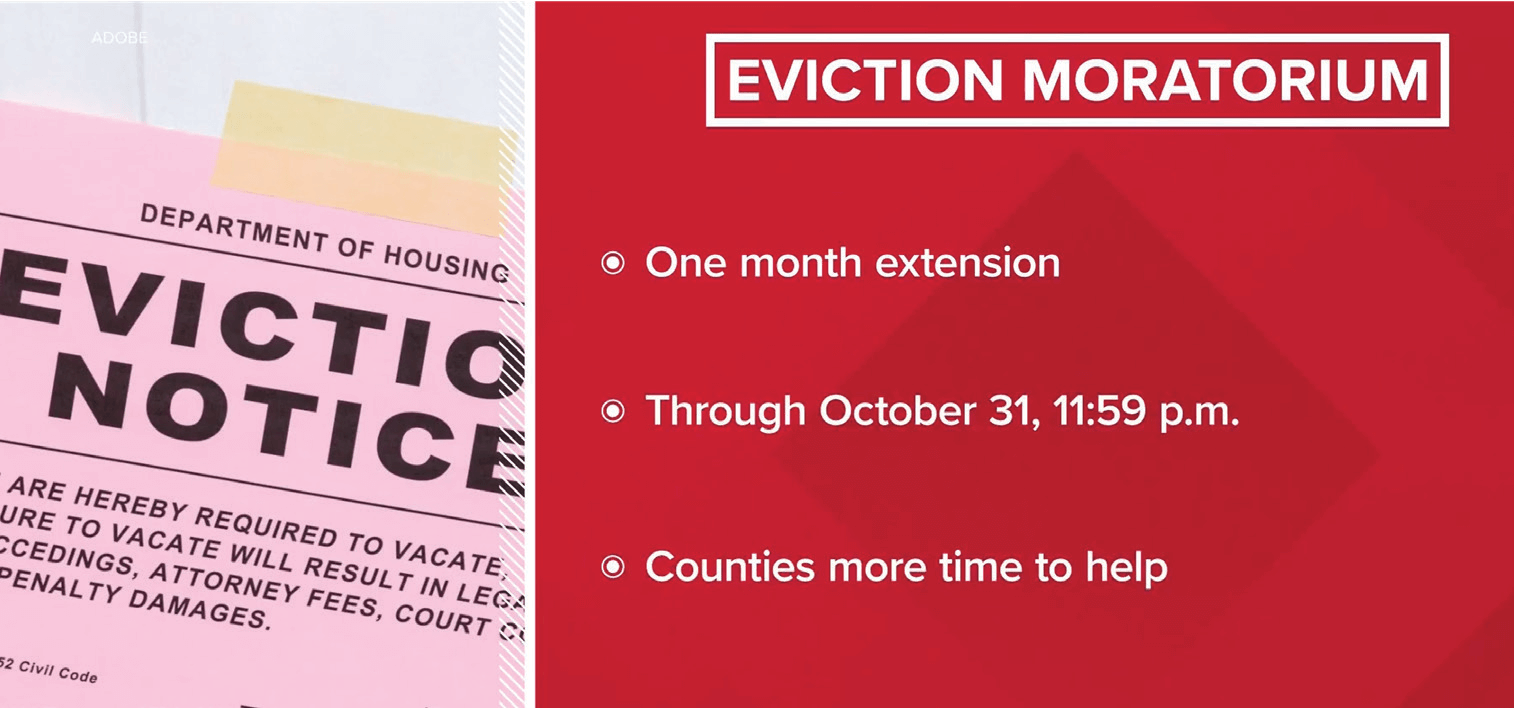
This eviction moratorium was originally supposed to last for roughly 60 days to get through the beginning uncertainty of COVID. In reality, when did this moratorium actually expire? October 31 of 2021. As in eighteen solid months of housing providers being unable to exclude from their property regardless of payment of rent. Several individual lawsuits have been filed against the state and various municipalities since this event took place, but the Washington State Supreme Court ruled that the public good in a time of crisis overruled private property rights. The Supreme Court also stated that legislation should be drafted to address an issue such as this in the future, as there was no guarantee that something like this would not happen again.
Fast forward to December 18, 2025, and fifteen named plaintiffs have filed a class action lawsuit against the State of Washington, the Office of Governor Ferguson, and various municipalities from all over the state to recover damages suffered as a result of the eviction moratorium. They argue that most housing providers were never made whole, even for those that took some of the very minimal assistance offered by the Landlord Mitigation Fund, which was capped at $15,000 and barred a housing provider from taking any further legal action or recourse to recover further owed rent. The class argues they were forcibly mandated to retain non-paying tenants and faced years of unpaid rent as a result.
In a press release issued by RHAWA, which is serving as the spokesman for the class, John DiLorenzo, a Partner with Davis Wright Tremaine, who is representing the class in the lawsuit, had this to say: “These are not big property owners. They are small housing providers who were compelled to retain residents who paid no rent on their property without just compensation, even after the COVID-19 crisis was in the rear view mirror.”
RHAWA Executive Director Sean Flynn, also quoted in the press release, said, “These housing providers were not able to collect monthly rent and, in the same instance, were not able to lawfully exclude non-paying residents from their legally owned properties. We believed and still do believe that this qualifies as a regulatory taking of property, and we will take this all the way to the United States Supreme Court if necessary.”
You may remember another regulatory takings case filed against the City of Seattle by Goodman Real Estate (GRE) in October of 2024. In this case, the courts ruled that if you begin to operate your property as rental housing, you lose exclusion rights. In the GRE case ruling, Judge Poydras said: “…because the rights, including but not limited to the right to exclude the public from the Addison, were already modified when GRE opened up the Addison to the public by establishing landlord-tenant relationships.”
The class action suit is a different take with many municipalities that instituted local eviction moratorium criteria. These cities include:
- Seattle
- Bellevue
- Kenmore
- Burien
- Kirkland
- Olympia
- Everett
- Spokane
All the listed plaintiffs owned and operated rental housing in these jurisdictions and could not exclude tenants from their property, and were never made whole, with many plaintiffs still being owed many thousands of dollars.
RHAWA is serving as the spokes group for the class action plaintiffs and will continue to work with various media and news outlets to ensure the crux of the lawsuit is understood, and also WHY this lawsuit is different from those previously filed.
Stay with RHAWA for all further updates and information as this lawsuit progresses through the local court systems and hopefully beyond.